| The Quick Take… Market Takeaway: On-land oil supplies fell to ten-year lows in September, hiding 103 million barrels of crude stuck on tankers at sea while global demand keeps dropping. Core Analysis Theme: Shipping delays in the Middle East and shrinking refinery profits have artificially pushed up fuel prices, setting the stage for a sharp reversal in 2027. Featured Alternative Spotlight: Private equity and private infrastructure to secure steady income and real asset exposure during periods of high inflation and sluggish growth. |
The Lead
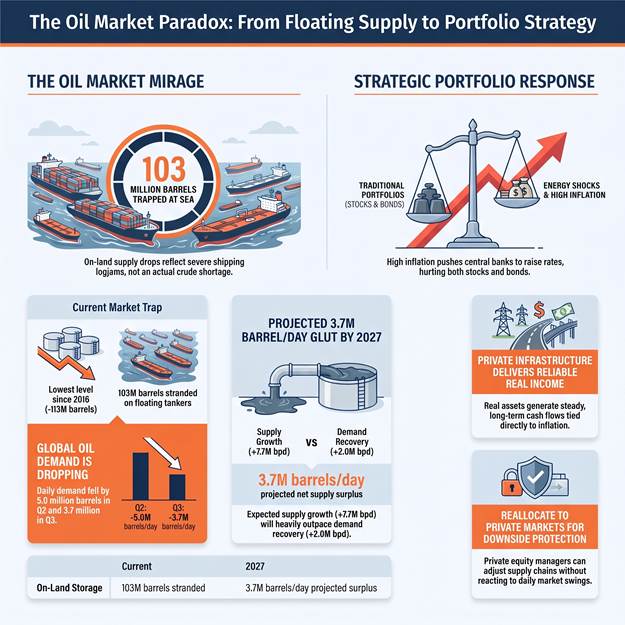
On-land crude oil supplies dropped by 113 million barrels in September, hitting their lowest level since 2016. At first glance, that looks like a real physical shortage that could keep diesel prices near record highs. But the numbers tell a different story. Global oil demand fell by 5.0 million barrels per day in the second quarter and another 3.7 million barrels per day in the third.
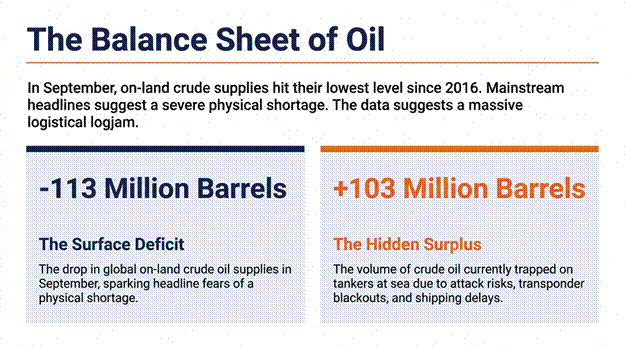
Persian Gulf exports actually recovered to 16.3 million barrels per day, or 91% of normal levels. Attack risks, transponder blackouts, and shipping delays simply trapped 103 million barrels of crude on tankers at sea. The shortage on land is a shipping logjam, not a lack of oil.
The Core Analysis
The Shipping Delays
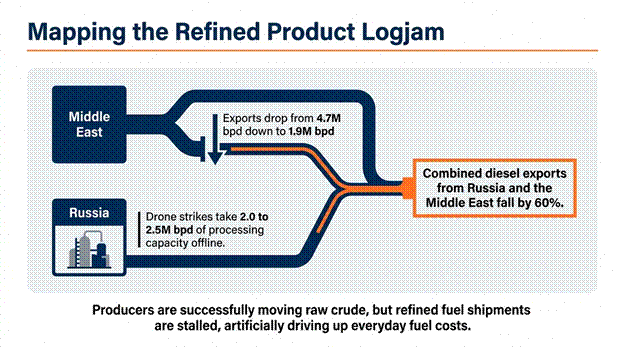
While Middle East producers moved crude oil out through bypass pipelines and offshore transfer points, refined fuel shipments stalled. Product exports from the region dropped to 1.9 million barrels per day, down from 4.7 million barrels per day before the conflict. At the same time, drone strikes on Russian refineries took 2.0 to 2.5 million barrels per day of processing capacity offline, cutting combined diesel exports from Russia and the Middle East by 60%.
Refinery Cuts and Storage Draws
Soaring freight rates and expensive crude delivery squeezed refinery profits across Europe and Asia, forcing plants to run at lower capacity. To meet everyday fuel demand, countries had to pull oil out of local storage tanks. Developing economies absorbed 76 million barrels of this draw, with China accounting for roughly 59 million barrels. Storage in developed nations fell by 37 million barrels, leaving land reserves at ten-year lows.
The 2027 Supply
Surplus
Wholesale diesel above $200 per barrel is already hurting freight, farming, and manufacturing. High fuel costs drag down economic activity, which reduces energy use even further. When shipping bottlenecks clear, those 103 million barrels floating at sea will unload into ports just as new production comes online.
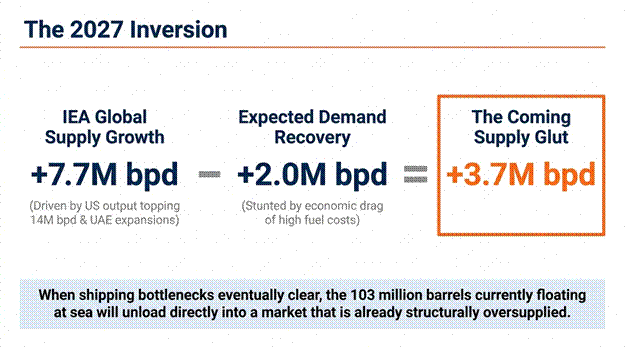
US crude output is projected to top 14 million barrels per day in 2027, while the UAE adds output outside OPEC limits. With the IEA expecting global supply to grow by 7.7 million barrels per day against a 2.0 million barrel per day demand recovery, today’s land shortage could quickly turn into a 3.7 million barrel per day glut.
What You’re Missing
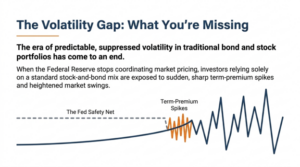
Traditional stock and bond portfolios struggle when energy shocks drive up inflation. High fuel prices force central banks to keep interest rates elevated. That hurts stock prices by raising borrowing costs and depresses bond values as yields rise, causing both asset classes to fall at the same time.
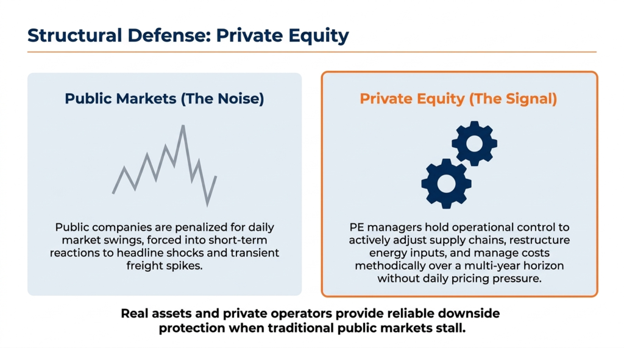
Private equity and private infrastructure offer practical ways to manage that risk. Private infrastructure investments, like power generation, grid systems, and energy logistics, generate long-term cash flows tied directly to inflation.
Power assets account for nearly 60% of global infrastructure benchmarks and benefit directly from growing electricity demand and grid upgrades. At the same time, private equity managers can adjust supply chains and manage costs without reacting to daily market swings. These real assets provide reliable income and downside protection when traditional markets stall.
| Ready to learn more? If you want to look at how private equity or infrastructure fits into your asset allocation, schedule a brief portfolio review with our team. |
This Caught My Eye
I recently revisited Greg McKeown’s book Essentialism. His core premise is simple: almost everything around us is noise, while only a few things hold exceptional value. Instead of spreading your energy a millimeter wide across a million different directions, an Essentialist invests 100% of their focus into the vital few pursuits where they can make their highest contribution. In markets dominated by constant headlines and macro chatter, applying that filter to capital allocation is easily one of the most practical habits an investor can build.
Infographic Summary
Halbert Wealth Management is an SEC-registered investment advisor. Investments in alternative strategies are speculative, involve substantial risk of loss, and are not suitable for all investors. Past performance does not guarantee future results.

Spencer Wright is the Executive Vice President of Halbert Wealth Management, Inc. and the author of Forecasts & Trends. He has been with HWM for over 25 years.